


Spring is one of the most biologically active seasons of the year. As temperatures rise and daylight increases, trees, grasses and flowering plants release large quantities of pollen. For those experiencing pollen allergies on skin, the immune system reads these airborne particles as a threat.
The result is a cascade of inflammatory responses throughout the body, including the skin.
Pollen becomes more irritating when combined with environmental pollution from traffic and from modern warfare, which releases large quantities of heavy metals and chemical compounds into the atmosphere. Even if you have never experienced any of these symptoms before, they can appear suddenly, as the immune system’s tolerance thresholds shift with cumulative environmental exposure, hormonal changes and age.
Reasons for skin allergies in spring
The following factors are among the most common underlying causes of skin allergies in spring:
- Pollen load: pollen particles can settle on the skin and trigger localised inflammatory reactions, particularly in areas that are already sensitive.
- Temperature fluctuations: spring days are characterised by rapid shifts between cold mornings and warm afternoons, which stress the skin’s thermoregulatory capacity and compromise the hydrolipidic barrier.
- Increased UV intensity: as daylight hours lengthen and the angle of the sun changes, UV radiation increases — and the skin has not yet adapted after winter.
- Histamine release: allergens stimulate mast cells to release histamine, which causes vasodilation, redness, swelling and itching not only in the eyes and nose, but also on the skin.
The combination of these factors makes spring one of the most challenging seasons for the skin’s barrier function and immune regulation.
Allergy Symptoms from Pollen

The allergy symptoms from pollen range from mild discomfort to more pronounced inflammatory reactions. Recognising them early makes it easier to respond with the right approach:
- Itching of the skin: One of the most common symptoms of a pollen-triggered skin reaction is itching (Pruritus). This symptom may be localized to areas that were directly exposed to pollen or airborne allergens, or it may be more diffuse when histamine is released systemically into the skin.
- Skin redness and localized inflammation: Pollen particles that settle on the skin can trigger mild, localized inflammatory reactions, resulting in visible redness and a sensation of warmth, especially on the face, neck and around the eyes. This is often one of the earliest signs that the skin is reacting to seasonal allergens.
- Pollen Contact Dermatitis: In some people, exposure to pollen, grasses or other airborne allergens can go beyond simple redness and develop into a more defined rash. A pollen contact dermatitis may appear as persistent itching, dry or scaly patches, small bumps, or a burning sensation, especially on exposed areas such as the face, eyelids, neck or hands.
- Hives (urticaria): Raised, itchy welts that appear suddenly after allergen exposure. They vary in size and shape and may come and go within hours. Hives occur when histamine causes blood vessels to leak fluid into surrounding tissues, creating swollen patches of skin. They can be triggered by direct skin contact with pollen, grass or airborne allergens.
- Dry, tight, flaky or pulling skin: When the hydrolipidic barrier is disrupted by allergen exposure and environmental stressors, the skin loses water more rapidly. This can manifest as dryness, flaking, tightness, a pulling sensation or general discomfort, even in people who do not normally have dry skin.
- Swelling around the eyes and face: Histamine released in response to allergens can cause puffiness and swelling, particularly around the eyes, where the skin is thinner and more reactive. This is especially common in people with hay fever or allergic rhinitis.
- Increased sensitivity to skincare products: During high-pollen periods, the skin barrier is under additional stress, making it more reactive to products it may previously have tolerated well. This is a well-recognized sign that the skin is in a compromised state.
- Itchy, watery or red eyes: While primarily an ocular symptom, eye reactivity is closely connected to skin sensitivity. Pollen causes the same histamine-driven inflammatory response in the delicate skin around the eyes and on the eyelids.
- Runny or congested nose: Another systemic sign of the body’s histamine response to airborne allergens. Although nasal symptoms are not a skin symptom, they frequently accompany skin reactions and reflect the same underlying immune activation.
- Rosacea flare-ups: In rosacea the skin’s protective barrier is already compromised, making it less able to buffer environmental aggressions. For rosacea-prone skin, the rapid temperature changes of spring with cold wind followed by warm sun, cause repeated cycles of vasoconstriction and vasodilation that trigger flushing, persistent redness and inflammatory papules. Pollen in the air adds an additional immune trigger on top of the already-reactive neurovascular response.
- Eczema: For skin prone to eczema, spring pollen can penetrate a weakened barrier and activate immune pathways that lead to intense itching, weeping and inflammatory episodes. The interaction between airborne allergens and impaired barrier function is a well-recognised driver of eczema exacerbations during high-pollen periods.
Natural Skin Rash Treatment
When it comes to natural skin rash treatment during spring allergy season, the priority is not to do more, but to reduce stress and support the skin’s natural barrier. A minimal, calming routine combined with practical protective measures can help relieve irritation and give the skin the conditions it needs to recover.

- Keep the routine simple: During periods of spring skin reactivity, simplicity is the guiding principle. The more demands placed on reactive skin, the more energy it must divert from its natural repair and calming processes.
- Avoid irritating formulations: Avoid skincare products, including cleansers and sunscreen, that contain synthetic or chemically modified “natural” ingredients which can disrupt the hydrolipidic film and increase irritation.
- Reduce the number of products: Use fewer products, avoid anything stimulating or exfoliating, and focus instead on barrier protection and calming, anti-inflammatory plant actives.
- Choose truly organic skincare: Opt for formulas made only with physically and mechanically modified plant ingredients, medicinal clays and natural minerals. These allow the skin to focus its energy on regulation and repair rather than on managing additional chemical stressors.
- Support the skin’s own repair mechanisms: The LE PURE approach to sensitive and reactive skin is based on supporting the skin’s own intelligence, reinforcing its natural barrier function and providing the plant nutrients it needs to regulate itself.
- Avoid high pollen exposure: Stay indoors during periods of high pollen count and keep windows closed whenever possible.
- Cleanse pollen off the skin: Shower soon after spending time outdoors to wash pollen off the skin and hair.
- Protect exposed skin outdoors: Wear long sleeves and long trousers when outside to reduce direct skin exposure to pollen and airborne allergens.
Organic Skincare Spring Allergy Routine
An organic skincare spring allergy routine has a different purpose from a regular seasonal routine. Rather than renewing and stimulating the skin, it focuses on protecting it, reinforcing its natural barrier and calming the inflammatory response triggered by pollen.
The LE PURE formulations selected for the morning and evening routine for skin allergies in spring contain plant extracts and cold-pressed oils that work with the skin’s own defences without adding more stress to the already reactive skin.
Spring Allergy Morning Skincare Treatment
The best spring allergy morning skincare treatment starts with a targeted morning routine. The objective is threefold: to calm existing inflammation, to protect the skin from external aggressions such as pollen, wind and UV, and to support the integrity of the hydrolipidic film, which acts as the skin’s primary protective barrier.

Spray the essence Velvet Hydration on the face and massage the balm Smooth Addiction into the damp skin. The anti-inflammatory plant extracts of Velvet Hydration calm redness and support the skin’s microbiome, while Smooth Addiction creates a protective, occlusive layer over the skin surface — shielding it from pollen, particles and temperature changes throughout the day.
If the UV index is above 3 and time will be spent outdoors, replace Smooth Addiction with the biological sunscreen balm Zen Solaire. Zen Solaire provides the same protective function as Smooth Addiction while offering additional defence against UV radiation through its certified organic mineral filters. This combination of Velvet Hydration and Zen is the ideal combination for reactive spring skin in an outdoor environment.
Spring Allergy Night Skincare Treatment
LE PURE’s spring allergy night skincare treatment is designed to support the skin’s most active phase of repair and cellular regeneration. It should provide deep nourishment and anti-inflammatory plant actives without overstimulating the skin.
Apply Velvet Hydration on the face and massage Midnight Rejuvenation into the damp skin. The combination of these two products delivers concentrated anti-inflammatory, restructuring and reparative plant actives that support the skin’s overnight recovery. The combination of Velvet Hydration and Midnight Rejuvenation is particularly well-suited to reactive skin with redness, sensitivity, eczema or rosacea.
These same two products (Velvet Hydration and Midnight Rejuvenation) can also be used for the evening cleansing step. Moisten a cotton pad with filtered water, apply a few drops of Velvet Hydration and Midnight Rejuvenation, and gently tap the skin to remove the day’s residues without friction. Rubbing must be avoided: mechanical friction on reactive, inflamed skin increases redness and worsens existing reactions.
If you wear makeup you can cleanse the skin with with the hydration oil Sensual Opulence, applied on a moistened cotton pad with the same gentle tapping technique. Its rich plant oil base dissolves residues while nourishing the skin barrier without any risk of irritation.
This same morning and night routine is also suitable for skin with eczema or rosacea experiencing seasonal flare-ups. The formulations are specifically designed to calm and protect without triggering further inflammatory responses.
Natural Remedies for Seasonal Allergies with LE PURE Skincare
The LE PURE formulations recommended as natural remedies for seasonal allergies share a common thread: each one is built around medicinal plant extracts with documented anti-inflammatory and barrier-protective activity, making their combination particularly relevant for reactive, pollen-stressed skin.

The medicinal plant Calendula officinalis is present in three of the recommended formulations: Midnight Rejuvenation, Smooth Addiction and Zen Solaire. Its triterpenoid fatty acid esters, flavonoids and carotenoids inhibit the same pro-inflammatory cytokines that drive pollen-triggered skin reactions, and its protective effect against UV-B-induced oxidative stress in skin has also been confirmed in research.¹
Sea buckthorn (Hippophae rhamnoides), present in Midnight Rejuvenation and Smooth Addiction, is exceptional in its concentration of flavonoids, carotenoids, omega fatty acids and vitamins A, C and E. Its compounds suppress the inflammatory signaling pathways activated during allergic skin reactions, and clinical research on atopic skin specifically supports its role in improving barrier integrity and reducing inflammatory activity.²
Velvet Hydration additionally contributes hibiscus (Hibiscus sabdariffa) and prickly pear cactus (Opuntia ficus-indica), two plants exceptionally rich in polyphenols, vitamin C and flavonoids that support the skin’s antioxidant defenses and calm surface inflammation.
Zen Solaire brings two further plants of direct relevance to spring skin: Bixa orellana seed extract (annatto), a natural source of tocotrienols with free radical scavenging and UV-protective activity, and Daucus carota root extract (wild carrot), rich in carotenoids that support the skin’s own photoprotective response and reduce oxidative damage from increased spring UV exposure.
Critically, all plant extracts in LE PURE products are prepared using whole plant extraction methods and all formulations are elaborated at temperatures below 40°C, which preserves the complete phytochemical profile, including heat-sensitive flavonoids and carotenoids that are destroyed in conventional cosmetic manufacturing.
This allows the skin to benefit from the full synergy of each plant’s active compounds rather than isolated fractions, which is precisely what reactive, immunologically active skin needs during allergy season.
Natural Ways to Cure Skin Rashes
Exploring natural ways to cure skin rashes caused by pollen (often called a “hay fever rash”) or other skin-related symptoms involves removing the allergen from the skin and calming the affected areas.
Alongside the skincare routine, a simple herbal infusion of calendula flowers (Calendula officinalis) and Perilla frutescens leaves can be prepared at home as a calming topical liquid. Both plants bring distinct and complementary properties and when applied gently to the skin, it helps reduce itching and redness and supports the skin’s recovery during allergy season.
Calendula Skin Rash Natural Treatment
A Calendula skin rash natural treatment has been proven to alleviate rashes, skin irritation, and itching. Calendula is one of the most well-studied medicinal plants for topical skin use and it has well documented anti-inflammatory, antimicrobial and skin-supportive activity.
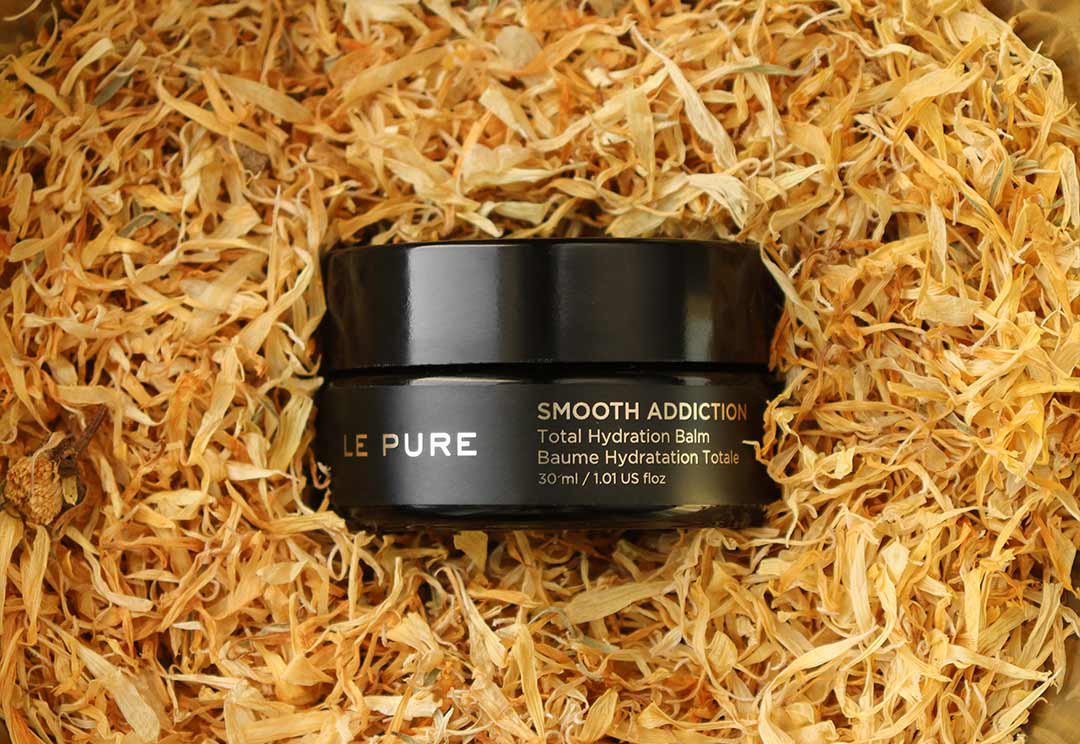
Its flavonoids, carotenoids and triterpenoid compounds soothe surface inflammation and support the skin barrier. The use of calendula infusions as topical washes for inflammatory skin conditions has a long tradition in herbal medicine, and pharmacological studies confirm its inhibition of pro-inflammatory cytokines and support for tissue repair.
Home Remedies for Skin Rashes with Perilla frutescens
Among plant-based home remedies for skin rashes, Perilla frutescens stands out for its phytochemical depth. Its leaves contain rosmarinic acid, luteolin and quercetin, which modulate the histamine response and reduce the release of inflammatory mediators at the skin level.
How to Prepare Skin Rash Natural Remedies
Follow these steps to prepare topical skin rash natural remedies at home using organic, loose-leaf plants. Avoid tea bags as the quality of the plants tends to be inferior to loose leaves and flowers.
- Use half a tablespoon of dried calendula flowers and half a tablespoon of dried Perilla frutescens leaves for 1 liter of water.
- Place the herbs in a heatproof jar or teapot.
- Pour hot water at approximately 90 degrees Celsius over the herbs. Avoid water at a full boil, as excessive heat can degrade delicate active compounds.
- Cover immediately and steep for 15 to 20 minutes.
- Strain through a sieve to remove all plant material.
- Allow to cool completely before applying to the skin.
How to Apply a Natural Treatment for Face Rash
When applying this natural treatment for face rash or irritated skin, avoid any friction or rubbing, which could worsen the symptoms:
- Soak a soft cotton pad in the cooled infusion and apply to the affected areas with gentle tapping motions.
- Prepare a fresh batch each day and store any remainder covered in the refrigerator. Use within 24 to 48 hours.
This infusion to remediate pollen allergies works well as an additional calming step before applying Velvet Hydration and the rest of the LE PURE routine. It is particularly useful during moments of acute itching or redness, offering immediate plant-based relief to the skin surface.
Natural Remedies for Allergies to Pollen
External skincare addresses the skin’s surface, but for effective natural remedies for allergies to pollen, the inflammatory and allergic processes that drive spring skin reactions originate at an immune and metabolic level. Therefore we recommend treating skin allergies also internally.
Certain medicinal plants have demonstrated the capacity to modulate the body’s inflammatory and histamine responses, reducing the intensity of allergic reactions without suppressing the immune system.
Among these, Perilla frutescens stands out for the quality and consistency of the available scientific evidence.
Plants for Allergies
When looking for plants for allergies, Perilla frutescens is a leafy annual herb from the mint family, native to Southeast Asia and used for centuries in both traditional medicine and cuisine. Its interest in the context of spring skin allergies lies in the depth of its phytochemical composition and its well-documented ability to regulate the body’s inflammatory and allergic responses.
Perilla Frutescens Allergy Supplement
The leaves and seeds of the Perilla frutescens plant are rich in rosmarinic acid, flavonoids and plant-origin omega-3 fatty acids. It helps to calm skin reactivity, reduces the sensation of itching and supports the equilibrium of sensitive skin types. The action of Perilla frutescens allergy supplements is not immediate in the pharmacological sense: it is progressive and regulatory, accompanying the body in its adaptation to seasonal change.
During spring allergy periods, the skin and the ocular area can become more reactive, manifesting as redness, itching or general discomfort. Perilla frutescens acts on the underlying mechanisms that drive these reactions — making it particularly relevant for sensitive skin, skin prone to redness, and ocular discomfort associated with environmental factors.
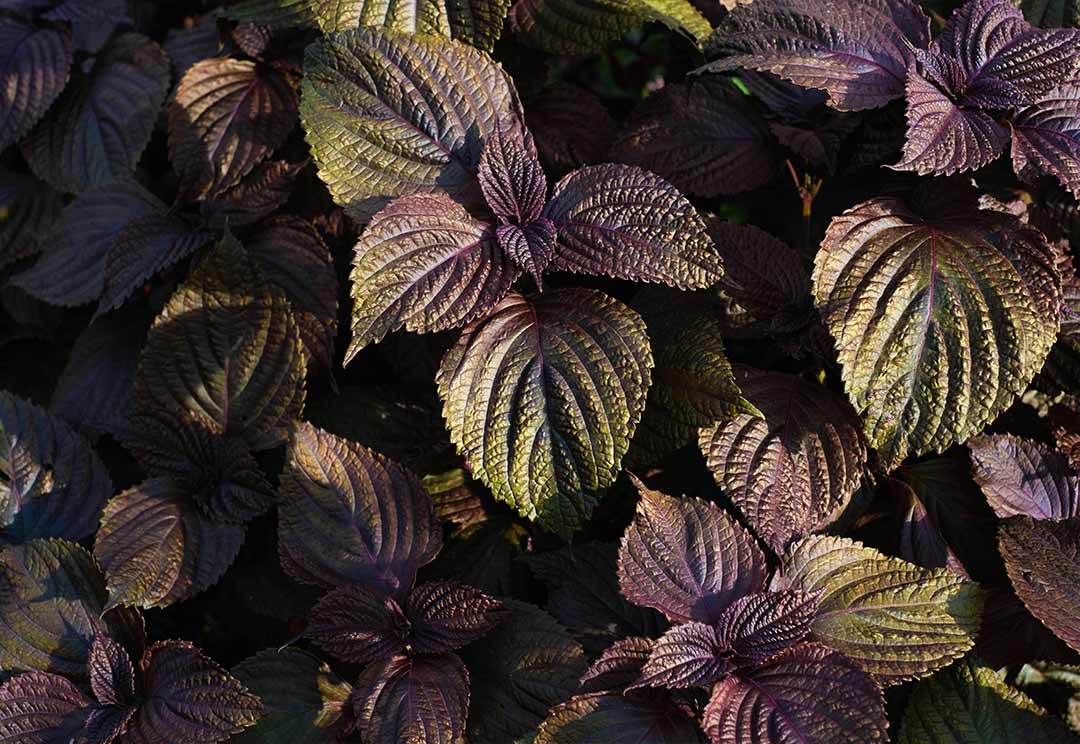
Perilla frutescens is used in two complementary forms, each with a distinct composition and mechanism of action:
Perilla Seed Oil:
- Rich in alpha-linolenic acid (ALA, omega-3), which comprises 54–64% of the oil — among the highest concentrations in any plant oil
- Contributes to modulating the inflammatory response at a systemic level
- Supports the equilibrium of reactive skin by shifting the body’s fatty acid balance towards anti-inflammatory signalling molecules
- Can help reduce the intensity of allergic manifestations over time
Used as a nutritional supplement, the oil is especially relevant during seasonal transitions or for those with a constitutionally sensitive inflammatory terrain.
Perilla Leaf Extract:
- Rich in rosmarinic acid, flavonoids, luteolin, quercetin and apigenin — polyphenols with anti-allergic, antihistamine and anti-inflammatory activity
- Regulates the histamine response by stabilising mast cells and inhibiting the release of inflammatory mediators
- Useful in cases of itching, redness and ocular discomfort associated with seasonal allergies
The leaf extract can be ingested as capsules, liquid extract or dried tablets. A typical supplementation protocol is one capsule of Perilla seed oil and one capsule of Perilla leaf extract three times a day in combination with meals such as breakfast, lunch and dinner.
The anti-allergic activity of Perilla frutescens is supported by clinical evidence. A randomised, double-blind, placebo-controlled study published in Experimental Biology and Medicine (Takano et al., 2004) found that oral supplementation with Perilla frutescens extract enriched in rosmarinic acid led to significant improvements in itchy nose, watery eyes, itchy eyes and total allergy symptoms compared to placebo, with a measurable reduction in immune cell infiltration into nasal tissue. No adverse events were reported. Read the study on PubMed
A second study (Oh et al., 2011) confirmed the inhibition of pro-inflammatory cytokines including IL-1β, IL-6 and TNF-α, as well as reduced histamine levels and decreased mast cell and eosinophil infiltration — providing a clear picture of the mechanism behind the plant’s regulatory action. Read the study on PubMed
When to See a Doctor when Spring Allergies Get Worse
The recommendations in this article are informational and complementary in nature. LE PURE products and the plants mentioned are designed to support sensitive and reactive skin, but they do not replace medical diagnosis or treatment.
Consult a doctor if symptoms do not improve with regular external care, if signs of infection appear such as fever, discharge or crusting with progressive redness, or if skin reactions are intense, persistent or spread across large areas of the body. If you experience difficulty breathing, swelling of the lips or throat, or any sign of a severe allergic reaction, seek emergency medical attention immediately.
Before starting any internal supplementation, particularly during pregnancy, breastfeeding or in the presence of chronic conditions, consult your doctor or pharmacist.
Skin Allergic Reaction to Pollen
In spring and summer, a skin allergic reaction to pollen is one of the most common seasonal skin problems. The most effective strategy to alleviate the pollen allergy symptoms combines external calming and protection with internal support through plant-based supplementation.
In spring and summer, pollen allergies on the skin are very common and the ideal skin treatment is a simplified, anti-inflammatory routine externally and, where appropriate, the progressive support of plants like Perilla frutescens internally.
Sources & Footnotes
- Calendula officinalis: anti-inflammatory activity through inhibition of pro-inflammatory cytokines IL-1β, IL-6, TNF-α and COX-2 was documented in Preethi et al. (2009), Indian Journal of Experimental Biology. Protective effects against UV-B-induced oxidative stress in skin were documented in Arora et al. (2012), PMC3447623. The plant’s wound healing and anti-inflammatory properties are formally recognized by the European Medicines Agency, the European Scientific Cooperative On Phytotherapy and the World Health Organization.
- Sea buckthorn (Hippophae rhamnoides): suppression of NF-κB activation and reduction of pro-inflammatory cytokines was confirmed in a 2025 systematic review published in Frontiers in Pharmacology. A placebo-controlled, double-blind clinical study on atopic dermatitis patients found significant improvement in skin condition after four months of supplementation (Callaway et al., 2005, PubMed 15539258). A further study on atopic dermatitis-like skin lesions demonstrated reduced inflammation, improved filaggrin expression and downregulation of key Th2 cytokines IL-4 and TNF-α (PubMed 35306042).
- Takano, H. et al. (2004). Extract of Perilla frutescens enriched for rosmarinic acid, a polyphenolic phytochemical, inhibits seasonal allergic rhinoconjunctivitis in humans. Experimental Biology and Medicine, 229(3), 247–254.
- Oh, H.A. et al. (2011). Effect of Perilla frutescens var. acuta Kudo and rosmarinic acid on allergic inflammatory reactions. Experimental Biology and Medicine, 236(1), 99–106.
- Negrescu, A.M. et al. (2023). Applications of Perilla frutescens Extracts in Clinical Practice. Antioxidants, 12(3), 727.
- Asif, M. (2011). Health effects of omega-3,6,9 fatty acids: Perilla frutescens is a good example of plant oils. Advances in Traditional Medicine.


